Loading...
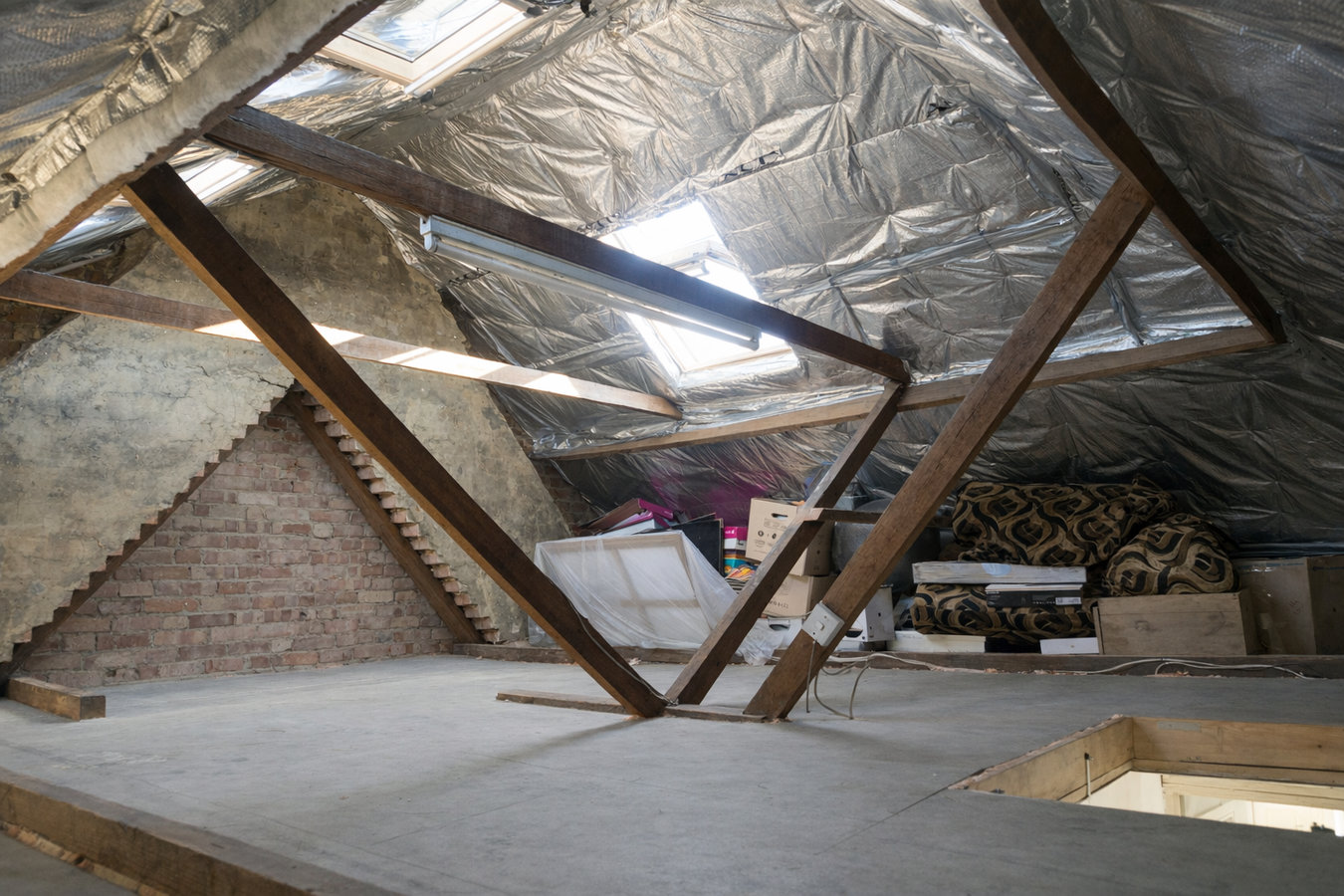
A poorly insulated attic is like leaving a window open in 110-degree heat. We install attic insulation built for the Coachella Valley - so your home stays cool and your utility bill stays manageable.
Attic insulation in Palm Desert acts as a thermal barrier between your living space and attic temperatures that can exceed 150 degrees F on a summer afternoon - most residential jobs are completed in four to eight hours, and homeowners typically notice a difference in comfort and energy bills within the first billing cycle. The Coachella Valley's extreme heat makes the attic the single most important insulation upgrade for most homes here, because that is where the largest share of heat gain occurs.
A large share of Palm Desert's housing stock dates from the 1970s through 1990s, when energy codes required far less insulation than today's standards call for. Many of these homes were never upgraded, which means the attic insulation that was installed during construction has been doing a harder job than it was designed for - and in many cases, it has also thinned and settled over decades of heat cycling.
We often pair attic insulation with attic air sealing to close gaps around light fixtures, pipes, and framing before any new material goes in. Skipping air sealing means hot attic air can still bypass the insulation layer entirely. For attics where the existing material is heavily degraded, we also offer blown-in insulation, which fills every gap and corner in older attics where framing is not perfectly uniform.
If your Southern California Edison bill climbs to $400, $500, or more during July and August, your attic insulation may be the reason. In Palm Desert's climate, a well-insulated attic is the single biggest factor in keeping cooling costs manageable. If your bills have been creeping up year over year without a clear explanation, the attic is the first place to look.
If one or two rooms - especially rooms directly under the roof - feel noticeably hotter than the rest of the home, heat is pushing through from above. In a Palm Desert summer, an under-insulated attic acts like a radiator over your living space, and no amount of air conditioning can fully compensate for it.
Look into your attic with a flashlight. If you can clearly see the wooden framing members running across the floor, your insulation has either settled, been disturbed, or was never installed to the right depth. Properly insulated attics in this climate should have insulation deep enough that the framing is completely buried.
Palm Desert grew quickly in the 1970s through 1990s, and many homes from that era were built to energy standards that are now considered inadequate for this climate. If you bought an older home and cannot confirm when the attic insulation was last updated, there is a good chance it is performing below what today's standards recommend.
Most attic jobs in Palm Desert use blown-in loose-fill material or batt insulation, and we recommend the right option based on your attic's shape and the existing conditions. Blown-in is especially popular here because it fills every gap and corner - a major advantage in older homes where framing is not perfectly uniform. Batt insulation works well in newer attics with consistent framing where a precise fit is easier to achieve. In either case, we size the installation to reach the R-38 to R-60 range that the Department of Energy recommends for this climate zone.
We always begin with air sealing before any new material goes in. Gaps around recessed lights, plumbing penetrations, and top plates are the places where hot attic air bypasses insulation - and those gaps need to be closed first or the insulation cannot do its full job. For homes where the existing insulation is beyond repair, we also handle removal before installing new material. See our full blown-in insulation and attic air sealing service pages for more detail on each option.
Fills every gap in older attics where framing is uneven or irregularly spaced.
Precise fit for newer attics with consistent framing and adequate clearance.
Closes gaps around fixtures and penetrations so hot attic air cannot bypass the insulation layer.
Removes heavily degraded or pest-damaged material before new insulation is installed.
Palm Desert sits in Climate Zone 15 under California's energy standards - one of the most demanding designations in the state, reflecting the extreme hot-dry conditions of the Coachella Valley. Summer attic temperatures here can reach 150 degrees F or higher on a hot afternoon. That level of sustained heat is not just uncomfortable - it actively degrades some insulation materials faster than in milder climates, and it means the depth required to meet performance targets is higher than in most of California. Southern California Edison's time-of-use rates amplify the financial impact, because electricity costs the most during the peak afternoon hours when heat is also at its worst.
We serve homeowners throughout Palm Desert and neighboring communities including Cathedral City and Indio. The EPA's ENERGY STAR program estimates that properly air sealing and insulating can save an average of 15% on total energy costs - in a desert climate where cooling dominates, those savings show up most clearly on summer bills.
We ask a few quick questions - home size, age, and what is prompting your interest. You will hear back within 1 business day to schedule an attic assessment at no cost.
A technician visits your attic, measures existing insulation depth, checks for air gaps, and gives you a written estimate. This visit typically takes 30 to 60 minutes.
We determine whether a permit is required and handle the application if needed. You get a clear date and instructions on what to prepare before the crew arrives.
The crew starts with air sealing, then installs insulation to the agreed depth. Most Palm Desert homes are done in four to eight hours. You can stay home during the work.
We respond within 1 business day - no voicemail loops. Fill out the form and someone from our office will call you to schedule a free on-site attic assessment. No obligation, no pressure - just a straight answer about what your attic actually needs.
(442) 334-1725Our crews do attic insulation work in desert homes every week. Every job comes with before-and-after documentation, so you can see exactly what changed and what you paid for.
We understand the specific housing stock here - 1970s and 1980s construction, flat and low-pitched roofs, HOA-governed communities - and we know what common problems to look for in this climate before recommending an approach.
We know what currently qualifies for Southern California Edison rebates and federal energy credits, and we ensure permitted work meets California's energy standards. A proper permit creates documentation that protects your home's value when you sell.
We close gaps around fixtures and penetrations before any insulation material goes in. This step is often skipped by contractors looking to move fast, but it is the difference between insulation that does its full job and insulation that still lets attic air in through the gaps.
We work in Palm Desert's gated communities, planned developments, and single-family neighborhoods as an attic insulation company that understands the HOA coordination and permit timelines that can affect scheduling here. Call us or fill out the form below and we will walk you through the process from start to finish.
The most popular choice for older Palm Desert attics - blown-in material fills every irregular gap and corner that batts cannot fully reach.
Learn moreClose the gaps around fixtures and penetrations before new insulation goes in - without this step, hot attic air bypasses even thick insulation layers.
Learn moreAttic insulation appointments fill up fast once temperatures climb - contact us now to schedule your free assessment and get your home ready before peak heat season.