Loading...
Palm Desert Insulation serves Palm Springs with air sealing, attic insulation, and whole-home upgrades built for flat-roof mid-century construction. We work throughout Palm Springs, CA and respond within 1 business day.
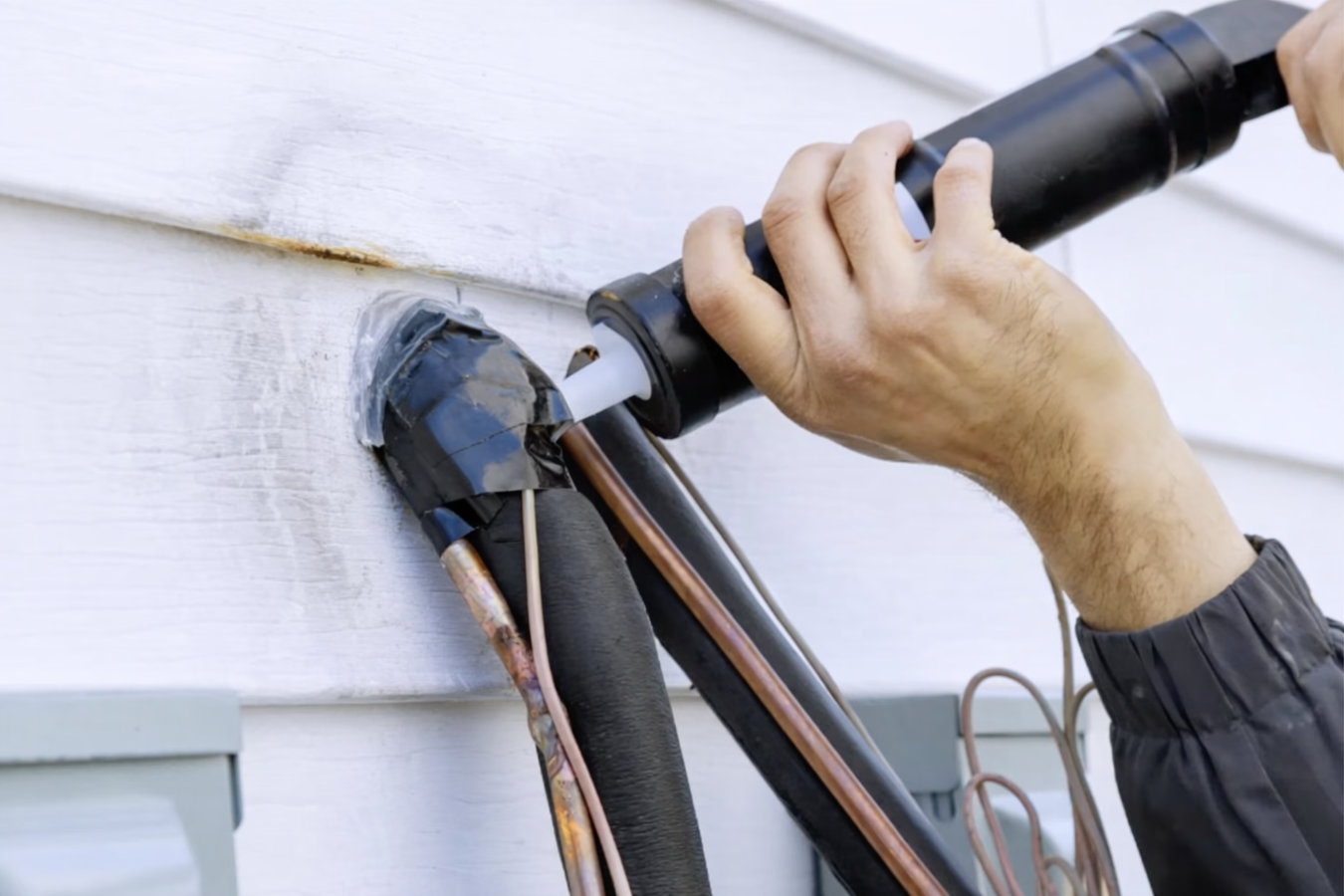
Palm Springs mid-century homes were built without the air sealing that modern energy codes require, leaving gaps around recessed lights, pipe penetrations, and the tops of interior walls where cool air escapes into the attic. Ourair sealing workcloses those gaps systematically - testing before and after with a blower door so you can see the measurable improvement.
Flat and low-slope roofs on Palm Springs homes create a direct heat path from the roof surface into your living space. Bringing attic insulation up to the R-38 to R-60 range recommended for this climate zone is the most direct way to reduce how hard your air conditioner works during the hottest months.
For flat-roof homes in Palm Springs, spray foam applied to the underside of the roof deck seals and insulates in one application. This is especially effective for the low-slope attic spaces common in mid-century construction where loose-fill material is difficult to contain.
Many Palm Springs homes in neighborhoods like Movie Colony East and Deepwell Estates have older fiberglass batts that have compressed significantly over 50-plus years. Blown-in insulation fills gaps and builds depth in a single step without requiring removal of the existing material if it is still dry and undamaged.
The large glass walls that define Palm Springs mid-century architecture are a known heat challenge, but the stucco walls surrounding them are often under-insulated as well. Adding wall insulation via injection foam or dense-pack methods significantly reduces the heat gain through west-facing and south-facing wall surfaces.
Palm Springs is home to one of the most concentrated collections of mid-century modern architecture in the United States. Thousands of homes built between the 1940s and 1970s still stand in neighborhoods like Old Las Palmas, Movie Colony, and Vista Las Palmas. These homes are celebrated for their design, but they were built in an era when energy efficiency was not a priority. Flat roofs, post-and-beam construction, and large glass walls create a challenging envelope to insulate and air seal - and in a city that regularly sees summer temperatures above 110 degrees Fahrenheit, the consequences of poor insulation are felt directly on your Southern California Edison bill every single month.
Palm Springs also has a significant short-term rental economy, with a large share of homes used as vacation rentals or seasonal second homes. Homes that sit empty through the summer with air conditioning running minimally are subjected to extreme heat cycling that accelerates the degradation of older insulation materials. Condo communities in South Palm Springs add another layer of complexity - many have HOA requirements that govern contractor access and working hours, and some require approval before any attic or envelope work begins. A contractor who works in Palm Springs regularly understands how to coordinate within these constraints without creating delays.
Our crew works on homes throughout Palm Springs and is familiar with the flat-roof and low-slope roof construction that defines so much of the local housing stock. When a project requires permitting, we work with the City of Palm Springs Building Division to make sure documentation is in order before we start. We know from experience that no two flat-roof attic spaces in this city are the same - the roof geometry, access point, and insulation history vary significantly from block to block.
Palm Canyon Drive runs through the heart of the city, and the neighborhoods spreading east and west from it represent the full range of Palm Springs housing. Old Las Palmas north of downtown has some of the city's largest and most architecturally significant homes. The Movie Colony and Deepwell Estates neighborhoods east of downtown have smaller mid-century tracts where attic access can be tight but the insulation need is significant. South Palm Springs condos near the downtown core are another regular work environment for our crew.
We serve the full Coachella Valley corridor. Homeowners in Desert Hot Springs to the north and in Cathedral City to the southeast face similar desert heat and aging housing challenges, and we work in both cities regularly.
Call or use the contact form and we respond within 1 business day. We ask a few brief questions about your home - its age, roof type, and what has prompted the call - so we arrive prepared for the specific construction type we will find.
A technician visits your home and performs a blower door test alongside an attic inspection. The blower door depressurizes the home and makes air leaks measurable - you get real numbers, not guesswork. The assessment is free and typically takes one to two hours.
After the assessment you receive a written estimate covering exactly what we found and what we recommend. We walk you through applicable Southern California Edison rebates and California energy program incentives so you know your true cost before deciding.
On the work day the crew seals, insulates, and performs a post-job blower door test to confirm the improvement. You receive written documentation of what was done - useful for rebate applications, HOA records, and future home sales.
We serve Palm Springs homeowners with free blower door assessments, written estimates, and same-crew installation - from mid-century tracts to condo communities.
(442) 334-1725Palm Springs is the most internationally recognized city in the Coachella Valley, with a year-round population of about 44,000 that swells significantly in winter when snowbirds, tourists, and festival-goers arrive. The city is famous for its mid-century modern architecture and design culture - thousands of homes built between the 1940s and 1970s still stand in neighborhoods like Old Las Palmas, Movie Colony, Vista Las Palmas, and Deepwell Estates. Each February, the city hosts Modernism Week, drawing tens of thousands of visitors for home tours and architecture events that celebrate this distinctive housing stock. The city also has a large short-term rental market, with many homes operating as vacation properties for part or all of the year.
The housing in Palm Springs is more diverse in type and era than most Coachella Valley cities. Single-family homes in established neighborhoods range from modest mid-century tracts to large custom estates. South Palm Springs and areas near downtown have a significant number of condo complexes and townhomes, many built in the 1970s and 1980s and now managed by HOAs. The Palm Springs Aerial Tramway at the base of the San Jacinto Mountains is one of the most visited landmarks in the valley, and the neighborhoods near it on the north side of the city sit at slightly higher elevations with different sun exposure than the downtown core. Neighboring Cathedral City to the southeast shares the same desert heat challenges, while Desert Hot Springs sits across the valley to the north on higher ground with its own distinct housing character.
High-performance spray foam that seals and insulates in one application.
Learn moreLoose-fill blown-in insulation for fast, thorough coverage in any space.
Learn moreInsulate your crawl space to prevent moisture and improve efficiency.
Learn moreDense, moisture-resistant closed-cell foam for maximum R-value.
Learn moreLightweight open-cell foam ideal for interior walls and sound control.
Learn moreCommercial-grade insulation for offices, warehouses, and retail spaces.
Learn moreHeavy-duty vapor barriers that protect crawl spaces from ground moisture.
Learn moreProfessional vapor barrier installation for walls, floors, and ceilings.
Learn moreAttic air sealing to stop conditioned air from escaping through the roof.
Learn moreServing these cities and communities.
Palm Springs summers push your home hard from June through September - the right insulation and air sealing makes a measurable difference. Contact us now and we will respond within 1 business day.