Loading...
Palm Desert Insulation serves Desert Hot Springs with retrofit insulation, attic upgrades, and air sealing built for the heat, wind, and older housing stock specific to this part of the Coachella Valley. We provide free written estimates, and we have completed insulation projects throughout Desert Hot Springs from older neighborhoods near downtown to newer subdivisions on the north end of the city.
Most Desert Hot Springs homes were built between the 1970s and the 1990s and have never had a significant insulation upgrade - which means the original material has been compressing and degrading through decades of 110-plus-degree summers. Our retrofit insulation service adds insulation through existing access points without a full renovation, closing the gap between what older homes have and what this climate actually demands.
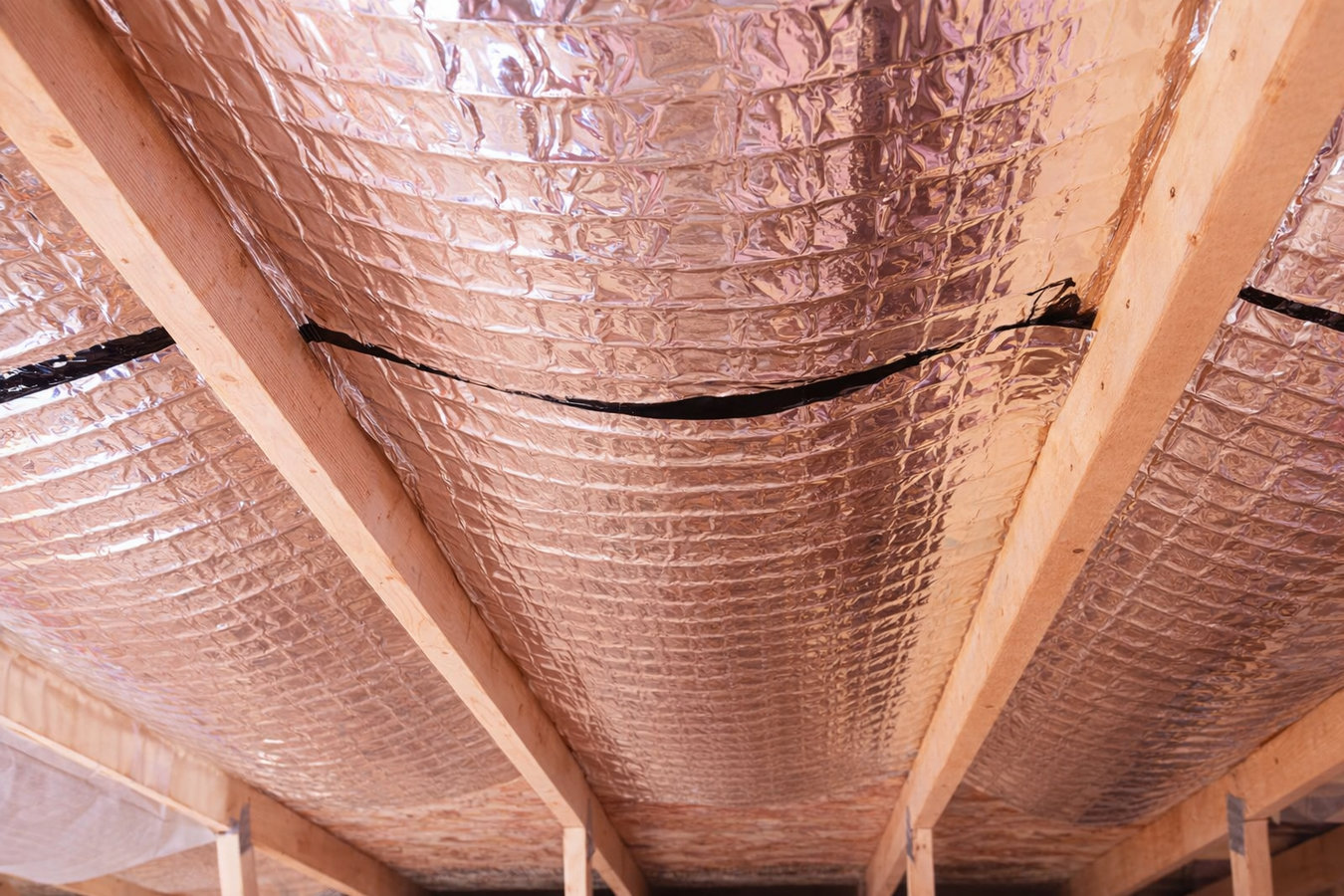
Desert Hot Springs attics can reach temperatures above 150 degrees on peak summer days, and that heat radiates straight down through the ceiling into the living space below. Upgrading to the depth California recommends for Climate Zone 15 is the single highest-impact change most Desert Hot Springs homeowners can make to bring down a summer SCE bill.
Desert Hot Springs sits at the northern entrance to the Coachella Valley, where wind from the San Gorgonio Pass pushes fine sand and outdoor air through every small gap in a home's envelope. Air sealing around light fixtures, pipes, and the attic hatch before insulation goes in keeps that outside air out and gives each layer of insulation the chance to perform at its rated value.
For Desert Hot Springs homes with flat or low-slope roofs - and there are many - spray foam applied to the underside of the roof deck seals and insulates in a single step. It is particularly effective where space between the ceiling and roof surface is tight, which leaves little room for blown-in material to reach the depths needed for this climate zone.
Blown-in loose-fill insulation fills an attic floor evenly, covering gaps, thin spots, and the compressed zones that are nearly universal in Desert Hot Springs homes that have not had an upgrade since original construction. It can be installed over existing material as long as the attic is dry and free of moisture or pest activity.
Desert Hot Springs sits at elevations ranging from about 1,000 to over 2,000 feet - noticeably higher than Palm Springs and most of the lower Coachella Valley. That elevation creates two conditions that wear on homes differently than the rest of the valley. First, the daily temperature swing between peak afternoon heat and cooler nights is wider, which causes framing lumber to flex repeatedly and gradually shifts batt insulation out of position in wall cavities. Second, the city sits at the northern entrance to the Coachella Valley near the San Gorgonio Pass - one of the windiest corridors in Southern California. Those wind events push fine sand through every small gap in a home's envelope, compacting loose-fill insulation over time and carrying grit into attic spaces through vents and unsealed penetrations.
Desert Hot Springs also has a wider range of housing types than most Coachella Valley cities. Alongside the typical stucco single-family homes, the city has a higher-than-average share of manufactured homes and mobile home parks, which have different construction standards and require different insulation approaches. On the newer edges of town, recent subdivisions have brought larger homes to market - some with modern construction, some still built with the flat roofs and compact wall assemblies common in desert-style builds. California places Desert Hot Springs in Climate Zone 15, which carries some of the highest insulation requirements in the state. A contractor who does not work in this specific zone regularly is likely to under-specify the job.
We work regularly in Desert Hot Springs and are familiar with the full range of the city's housing stock - from the older single-family homes near downtown that have never had a meaningful insulation upgrade, to the manufactured home communities scattered throughout the city where access and foundation types require a different approach. For permitted projects, we work through the City of Desert Hot Springs Building and Permits Division, which handles building permits for residential and commercial work within city limits.
Desert Hot Springs is known throughout the Coachella Valley for its underground mineral hot springs, which feed the spas and hotels the city is famous for - places like Two Bunch Palms, which has drawn visitors for decades. Cabot's Pueblo Museum near downtown is one of the most unusual historic sites in the valley. The city stretches north from Palm Springs into the foothills, with older neighborhoods concentrated near the city center and newer development spreading outward along roads heading toward the San Bernardino Mountains.
We serve a wide area around Desert Hot Springs. Homeowners in Banning to the northwest deal with their own wind exposure through the San Gorgonio Pass and similar demands on older housing stock - and we work there regularly. To the south, Palm Springs homeowners share the same Climate Zone 15 requirements, and our crews make that route routinely.
Reach out by phone or through the contact form and we respond within 1 business day. We will ask a few quick questions about your home - age, roof type, what has been prompting the call - so we arrive with the right equipment and expectations for what we will find.
A technician visits your Desert Hot Springs home and inspects the attic, crawl space, or wall cavities as needed. We measure existing insulation levels, check for air leaks, and note any signs of moisture, wind intrusion, or pest activity that could affect the job. The assessment is free with no obligation to move forward, and we include an estimated cost range before we leave.
After the walkthrough you receive a written estimate that explains what we found, what we recommend, and the total cost. We specify the material, the depth, and the R-value that will be achieved - so you know exactly what you are paying for. We also note whether the project scope triggers a permit requirement and what that adds to the timeline.
The crew arrives on the scheduled day, installs to the specified depth, and cleans up before leaving. Before we go, a technician walks you through what was done and leaves written documentation of the materials used and the performance level achieved. For spray foam projects, we advise on re-entry timing and any ventilation steps to follow.
We serve all of Desert Hot Springs with retrofit insulation, attic upgrades, and air sealing work built for the heat and wind conditions specific to this part of the valley. Free assessments, written estimates.
(442) 334-1725Desert Hot Springs is a city of about 34,000 people in Riverside County, sitting at the northern edge of the Coachella Valley where the valley floor meets the foothills of the San Bernardino Mountains. The city is best known for its natural mineral hot springs, which feed dozens of small spas and hotels throughout the area - including Two Bunch Palms, one of the most recognized spa destinations in California. Cabot's Pueblo Museum near downtown - a hand-built pueblo structure dating to the 1940s - is one of the valley's most unusual historic sites. The city's home prices are lower than neighboring Palm Springs, which has attracted working families and retirees as year-round residents alongside a seasonal crowd that arrives each winter. Older neighborhoods are concentrated near the city center, while newer subdivisions have expanded outward along roads leading toward the mountain foothills to the north.
The housing stock in Desert Hot Springs is more varied than in most Coachella Valley cities. It includes the typical stucco single-family homes common throughout the desert, a higher-than-average share of manufactured homes and mobile home parks, and newer tract developments on the city's growing edges with a broader mix of construction styles. The city's elevation - ranging from about 1,000 to over 2,000 feet - means slightly cooler nights and stronger wind exposure than lower parts of the valley, both of which affect how insulation ages and performs. We also serve communities nearby, including homeowners in Palm Springs to the south, where the same desert climate and Climate Zone 15 requirements apply.
High-performance spray foam that seals and insulates in one application.
Learn moreLoose-fill blown-in insulation for fast, thorough coverage in any space.
Learn moreInsulate your crawl space to prevent moisture and improve efficiency.
Learn moreDense, moisture-resistant closed-cell foam for maximum R-value.
Learn moreLightweight open-cell foam ideal for interior walls and sound control.
Learn moreCommercial-grade insulation for offices, warehouses, and retail spaces.
Learn moreHeavy-duty vapor barriers that protect crawl spaces from ground moisture.
Learn moreProfessional vapor barrier installation for walls, floors, and ceilings.
Learn moreAttic air sealing to stop conditioned air from escaping through the roof.
Learn moreServing these cities and communities.
Palm Desert Insulation serves all of Desert Hot Springs with retrofit insulation, attic upgrades, and air sealing built for the heat and wind conditions in this part of the Coachella Valley. Call today for a free assessment.