Loading...
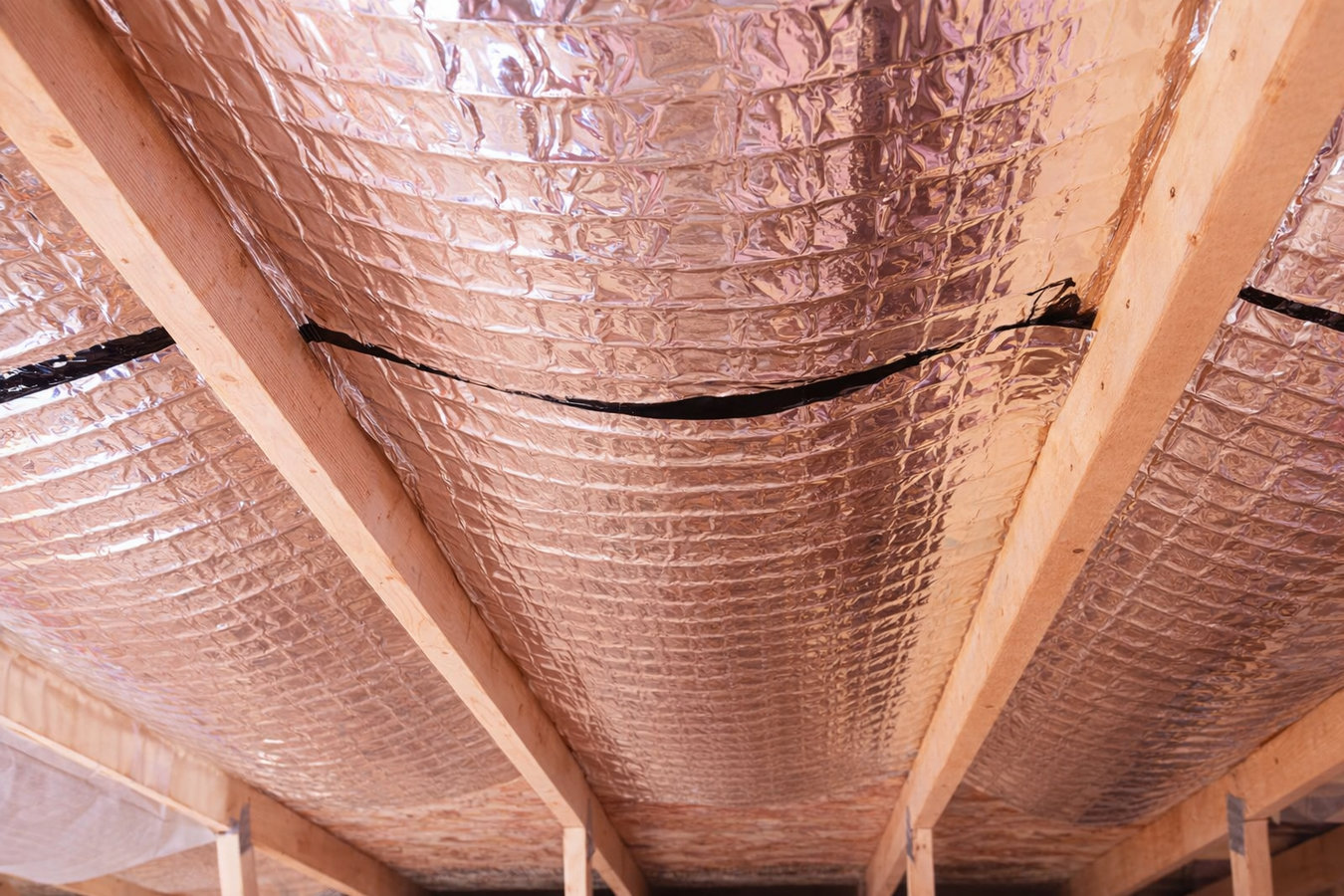
Most Palm Desert homes built in the 1970s and 1980s are significantly under-insulated by today's standards. Retrofit insulation brings them up to current performance levels through your attic hatch and small access points - no demo, no displaced furniture, no weeks of disruption.
Retrofit insulation in Palm Desert means adding insulation to a home that is already built - without tearing out walls or doing a major renovation - and most attic jobs are completed in two to four hours with no need to leave your home. Contractors work through your existing attic hatch, crawl space entry, or small access holes drilled in walls to get insulation where it needs to go. The most common approach is blown-in fiberglass or cellulose pumped in through a large hose, which fills irregular spaces completely and does not require removing ceiling materials or drywall.
Palm Desert falls in California's Climate Zone 15 - one of the most demanding climate zones in the state for cooling - which means homes here need a higher attic insulation level than most other parts of California. The Coachella Valley saw rapid residential development in the 1970s and 1980s, and many of those homes were built to standards that have since been significantly strengthened. If your home is from that era and you have never had the insulation inspected, there is a strong chance it is well below what California now recommends. A retrofit job is exactly how you close that gap. Many homeowners also pair the work with attic air sealing in a single visit - sealing first, then insulating on top - for the full performance benefit of both upgrades.
If your walls also need attention, we can address those at the same time through dense-pack wall insulation. And for homes with specific spray foam needs - like a flat roof conversion to a sealed attic assembly - we can discuss whether spray foam insulation is the right material for your situation before committing to a scope.
If your cooling costs feel out of proportion to how hard you are actually running your air conditioner, heat getting in through a poorly insulated attic is often the culprit. In Palm Desert, where summer temperatures regularly exceed 110 degrees, even a modest insulation gap can translate into hundreds of extra dollars on your SCE bill each season. If neighbors in similar-sized homes are paying noticeably less, that gap is worth investigating.
If one or two rooms in your home stay noticeably warmer than the rest - especially rooms directly under the roof - that is a classic sign that insulation above those spaces is thin or missing. In a desert climate, the ceiling above an under-insulated room acts like a radiator, pumping heat down into the living space all afternoon. This is one of the most common complaints Palm Desert homeowners bring up, and it is almost always fixable.
Homes built during Palm Desert's major growth decades of the 1970s and 1980s were constructed to energy standards that are now considered inadequate for this climate zone. If you have owned your home for years and no one has ever looked at what is in your attic, there is a reasonable chance you are running your air conditioner harder than you need to. A quick inspection - which most reputable contractors offer at no charge - will tell you exactly where you stand.
A properly insulated home in the desert should allow your air conditioner to cycle on and off rather than run nonstop during peak afternoon heat. If your system seems to run for hours without shutting off, the insulation in your attic may not be doing enough to slow the heat coming in. Constant cycling also shortens the life of your HVAC equipment, so addressing the insulation can protect that investment too.
The attic is almost always the first place to address in a Palm Desert home - and the most cost-effective single upgrade you can make. We use blown-in fiberglass or cellulose depending on your attic geometry, existing insulation type, and performance goals. Cellulose is popular in California because of its environmental profile and its ability to fill irregular spaces completely, including around obstructions like HVAC equipment and ductwork. For homes with flat or low-slope roofs - a common configuration in mid-century Palm Desert properties - we assess whether spray foam applied to the underside of the roof deck is a better fit than blown-in material, since these roofs have limited open attic space.
Wall insulation is also part of our retrofit scope. For homes where wall cavities are empty or inadequate, we can use dense-pack blown-in material installed through small holes drilled in the exterior or interior surface - holes that are patched and finished cleanly after the work. We also cover wall insulation as a dedicated service for homeowners whose primary concern is heat gain through exterior walls rather than the attic. When the scope calls for both, we coordinate the full job in a single mobilization.
Blown-in fiberglass or cellulose to Climate Zone 15 depth - the most common and cost-effective retrofit upgrade for existing Palm Desert homes.
Blown-in material installed through small drilled access holes into wall cavities - for homes where wall heat gain is a primary concern.
Spray foam applied to the underside of a flat or low-slope roof deck - suited to mid-century and ranch-style Palm Desert homes without a standard attic space.
Attic air sealing followed immediately by insulation installation in the same visit - the most effective sequence for maximizing both comfort and utility savings.
Palm Desert regularly sees summer temperatures above 110 degrees for months at a time, and attic temperatures on peak days can reach well past 150 degrees. That sustained heat puts insulation under stress unlike almost anywhere else in California - and it means that under-insulated homes pay a steep price in electricity bills every single summer. Palm Desert falls in California's Climate Zone 15, which has some of the highest insulation requirements in the state precisely because of this extreme cooling load. Homes built before the mid-1990s - which account for a large share of the city's housing stock in neighborhoods like Palm Desert Country Club, Sun City, and the golf course communities near Cook Street - were built to codes that no longer come close to what the state now requires for this climate.
Southern California Edison, which serves Palm Desert, has offered rebates for qualifying insulation upgrades, and the federal government currently offers a tax credit covering a portion of qualifying project costs. Because Palm Desert homeowners tend to have high cooling loads and high electricity bills, the payback period on a properly installed insulation upgrade is often shorter here than in most California cities. We serve homeowners throughout Palm Desert and in surrounding Coachella Valley communities including La Quinta and Indio, where the same Climate Zone 15 conditions and older housing stock challenges apply.
We will ask about your home's square footage, age, and whether you have had any insulation work done before. Most reputable contractors in the Palm Desert area offer free in-home assessments, so the first visit costs you nothing. You will hear back within one business day.
The contractor accesses your attic - and possibly your crawl space or wall cavities if relevant - to measure what is currently there and identify any gaps or problem areas. At the end of the visit you will receive a clear explanation of what they found and what they recommend, not just a number on paper.
You receive a written estimate covering materials, labor, and any permit fees. This is the moment to discuss Southern California Edison rebates and federal tax credit eligibility. A good contractor will handle any permit application required and explain how it affects your timeline - typically just a few extra days.
The crew sets up outside, runs a hose to your attic, and blows insulation to the required depth - typically two to four hours for a Palm Desert home. Before leaving, they walk you through the depth achieved and leave written documentation of the material and performance level installed. Your home is fully usable immediately.
No obligation, no pressure. We measure what you have, tell you exactly what you need, and give you a written quote you can compare against anyone else.
(442) 334-1725Palm Desert sits in one of California's most demanding climate zones, and we size every retrofit job to meet current state requirements for this zone - not the standards homes were built to in the 1970s. A contractor who does not know Zone 15 requirements may install to a depth that passes a visual inspection but still leaves significant performance on the table.
California requires a certificate showing the material used, depth installed, and R-value achieved for permitted insulation work. We provide that documentation on every job whether a permit is required or not - because you need it for utility rebate applications, federal tax credits, and future home sales.
We help Palm Desert homeowners understand which SCE rebate programs and federal tax credits apply to their specific project before they sign anything. Southern California Edison has offered insulation rebates for homes in this service territory. More details are available at sce.com.
Many Palm Desert homes have flat or low-slope roofs that require a different insulation approach than pitched attics - and many were built in an era when energy efficiency was not a priority. We have worked on both types extensively and give honest recommendations about whether blown-in material or spray foam is the right fit for your specific home.
Retrofit insulation is one of those upgrades where the quality of the work is invisible once the attic hatch closes. Written documentation of the material, depth, and performance level installed is how you verify the job was done right - and it is the paperwork you need for every rebate and tax credit that can help offset the cost. We build that documentation into every project as a matter of course.
For insulation requirements by climate zone, the California Energy Commission publishes current building energy efficiency standards. For rebate information, visit Southern California Edison.
Spray foam expands to seal gaps and insulate simultaneously - often the right choice for flat-roof homes or attic assemblies being converted to a sealed configuration.
Learn moreDense-pack blown-in insulation installed into existing wall cavities through small access holes - for homeowners whose primary heat gain concern is through exterior walls.
Learn moreSummer is coming - get your attic assessed and upgraded before the heat hits and your electricity bill climbs again.